

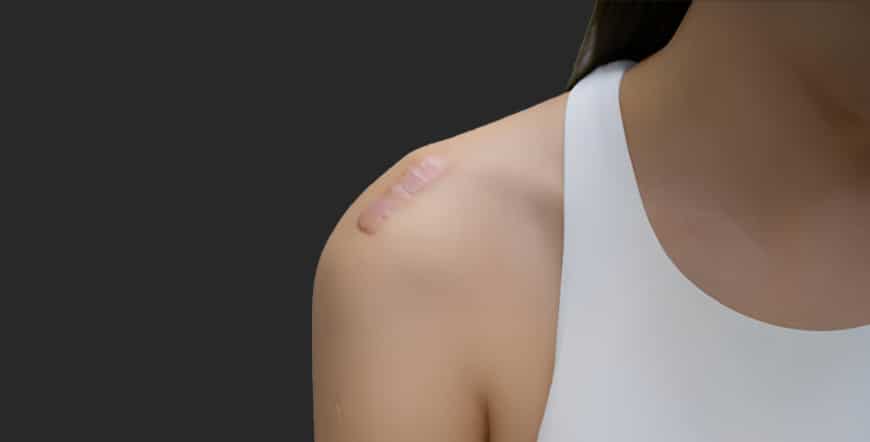
Types of Scars and Modern Treatment Methods
Scars are one of the most common skin concerns and may remain on the skin after acne, surgery, sutures, burns, accidents, or even injections. Although scars usually don’t threaten physical health, they can significantly affect a person’s appearance, self-confidence, and quality of life.
The good news is that advances in treatments such as subcision, combination laser treatments (Fotona, CO2, and Erbium), medication injections, and dermal fillers can effectively treat many scars or make them significantly less noticeable.
In this article, we examine the different types of scars and the best treatment method for each type.
What is a scar and why does it develop?
A scar is the natural result of the skin healing process following an injury. When the deeper layers of the skin are damaged, the body produces collagen to repair them. If this healing process is:
- Excessive: it results in a raised or fleshy scar.
- Insufficient: it results in a depressed or pitted scar.
- Irregular: it results in a visible and uneven scar.
The type of scar depends on factors such as the depth of the injury, genetics, the location of the wound, aftercare, and the physician’s skill.
Acne scars
Acne scars are among the most common types of scars and are usually seen on the face, cheeks, forehead, or chin. These scars often appear as depressed, uneven, or pitted areas.
The best treatment for acne scars
Effective acne scar treatment usually requires a combination approach.
First: Subcision
Subcision releases the fibrous tissue beneath the skin, allowing depressed scars to rise. It is considered a fundamental component of acne scar treatment.
Second: Combination aser treatment (Fotona + CO2 + Erbium)
- Fractional CO2 laser: Resurfaces the deeper layers of the skin.
- Erbium laser: Smooths the skin’s surface.
- Fotona laser: Stimulates deeper collagen production and skin rejuvenation.
Treatment duration
Acne scar treatment usually takes approximately 6 months and involves several treatment sessions, allowing the skin sufficient time to heal and complete collagen production.
Fractional CO2 Laser at Irsa clinic in Shiraz
Fractional CO2 Laser
Fleshy or raised scars (Hypertrophic Scars / Keloids)
This type of scar develops when the skin produces excessive amounts of collagen, resulting in extra tissue forming over the wound area. A raised scar may be:
- Elevated
- Firm
- Painful or itchy
Treatment for raised scars
Treatment for this type of scar is entirely physician-directed and carried out in stages.
First: Intralesional injections
Injecting medication, usually corticosteroids, helps to:
- Reduce the volume of the scar.
- Soften the tissue.
- Prevent the excessive scar tissue from growing again.
Second: CO2 or Erbium laser (If Needed)
After the scar’s volume has decreased, and based on the physician’s assessment:
- CO2 or Erbium laser may be used to smooth the skin’s surface.
- By stimulating collagen production, lasers help make the healing process faster and more uniform.
Scars from stitches and surgery
These scars result from sutures following cosmetic or medical surgery, including:
- Lipomatic surgery
- Abdominoplasty
- Breast lift
- Breast implants
- Mammoplasty (breast reduction or breast augmentation)
- Gynecomastia surgery in men
- Cesarean section scars
- Scars from stitches following accidents and injuries
Treatment for surgical scars
The type of treatment depends on the age of the scar, the depth of the incision or sutures, and the skin’s response.
- CO2 or Erbium laser to reduce the appearance of the suture line.
- Fotona laser to improve skin color and texture.
- In some cases, medication injections or reparative mesotherapy.
The goal of treatment is to make the scar less noticeable, bring the skin closer to an even level, and restore a more natural appearance to the affected area.
Depressed or pitted scars (Atrophic Scars)
Pitted scars develop when the tissue beneath the skin is lost, causing the skin to sink inward. This type of scar is more commonly seen in:
- Severe acne scars
- Deep wounds
- Certain surgical procedures
Treatment for pitted scars
The most effective treatment is a combination approach.
First: Subcision
To release deep adhesions and elevate the base of the scar.
Second: Combined CO2 and Erbium Laser Treatment
- Resurfacing the deeper layers of the skin.
- Smoothing the skin’s surface.
- Strong stimulation of collagen production.
Third: Dermal Filler Injections (For Some Individuals)
In cases where the scar is particularly deep, the physician may:
- Recommend dermal filler injections to fill the depressed area.
- This method is usually a complementary treatment to laser therapy rather than a replacement for it.
Laser Removal of Scars, Acne, and Pimples
Laser removal of scars and acnes in Shiraz
The role of combination lasers in scar treatment
Combination lasers, such as CO2, Erbium, and Fotona, help by:
- Stimulating collagen production.
- Improving skin texture and color.
- Increasing the speed of healing.
They play a key role in treating resistant scars, and their results are gradual but long-lasting.
Summary
Scars come in different types, and there is no single treatment that works for every type of scar. Identifying the type of scar and selecting the appropriate treatment method with the help of a specialist physician are the most important factors in successful treatment.
Today, methods such as subcision, combination laser treatments, medication injections, and dermal fillers can effectively treat many scars and significantly improve the appearance of the skin.
Finally, you can contact our consultants to arrange an in-person appointment with our specialist physician at Irsa Specialized Skin and Hair Clinic and learn about the best treatment method for your particular skin condition. You can reach our consultants by calling the landline numbers listed on the Contact Us page or by calling or messaging us on WhatsApp at 0098917062693. If you wish, after receiving the necessary explanations, you can proceed with booking an appointment at Irsa Dermatology and Hair Transplant Clinic in Iran- Shiraz.
Get your free consultation with Irsa team right here
WhatsApp: 00989170626693
Email: irsaarabic@gmail.com
www.youtube.com/@irsaclinic
www.facebook.com/irsaclinic
Also read:
Abdominoplasty or tummy tuck in Iran


