


Silent Poison: The Harms of Plastic Bottles for the Body, Skin and Hair
Plastic bottles of water and carbonated drinks are an integral part of modern life. While these products provide convenience and quick access, they have a dark side that harms the health of the environment and especially human health. This article provides a comprehensive review of the harmful effects of chemicals in plastics and the vital role of anthocyanins (powerful natural pigments) in protecting the body from the damaging effects of these compounds.
1. Hazardous Chemicals in Plastic Bottles and Their Effects
Most plastic bottles are made of polyethylene terephthalate (PET), but the main problem stems from additives and impurities that are added to or released from the plastic during the manufacturing process. Heat, sunlight and the passage of time accelerate the process of erosion and leaching of these chemicals into the liquids inside the bottle.
The most important hazardous compounds:
• Bisphenol A (BPA) and its substitutes (BPS and BPF):
- Description: Although many bottles now carry the label “BPA Free”, their substitutes, such as BPS and BPF, also have a similar structure and, like BPA, act as endocrine disruptors.
- Disadvantages: These substances can mimic the hormone estrogen and disrupt the body’s hormonal balance, especially in children and fetuses. These disruptions have been linked to problems such as polycystic ovary syndrome (PCOS), infertility, early puberty, and an increased risk of certain cancers (such as breast and prostate).
• Phthalates:
- Description: These substances are added to plastics as plasticizers to increase their flexibility.
- Harm: Phthalates are also classified as endocrine disruptors and have been linked to damage to the liver, kidneys and reproductive system (particularly reduced sperm quality in men).
• Antimony Trioxide:
- Description: This substance is used as a catalyst in the manufacture of PET and can enter water or drinks in small amounts.
- Harm: This compound is toxic in high doses, and long-term exposure can have adverse effects on the digestive and respiratory systems.
2. Increased oxidative stress and chronic inflammation
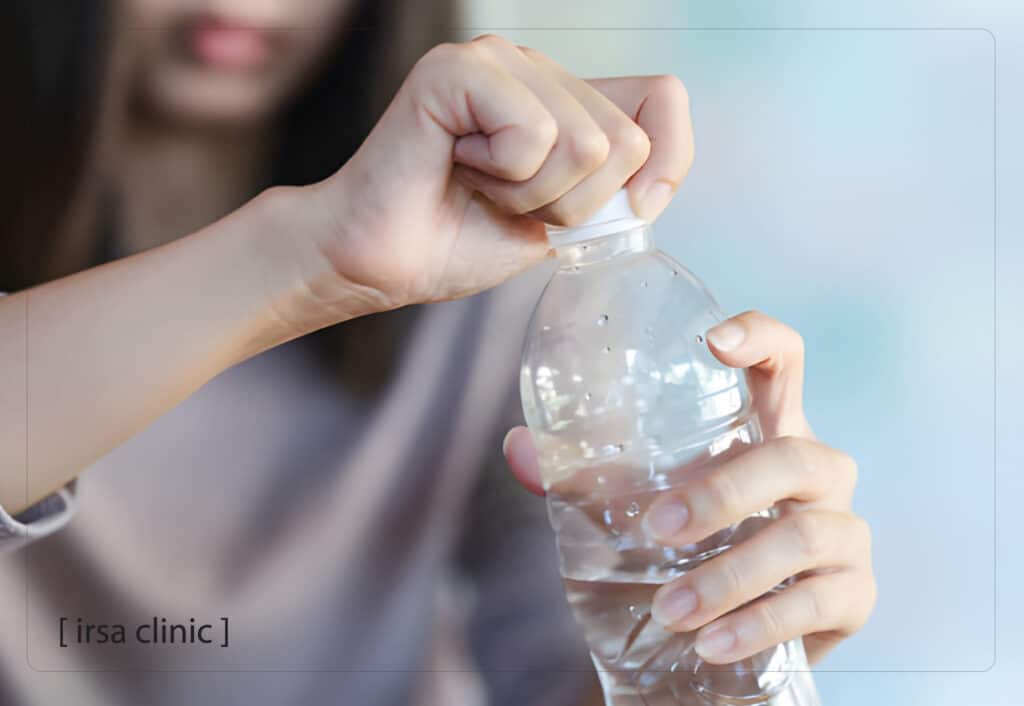
One of the most damaging effects of exposure to chemicals released from plastic is the increased production of free radicals in the body. The body goes into a defensive mode to deal with these foreign and toxic compounds, leading to oxidative stress and chronic inflammation.
Effects of Oxidative Stress:
- Damage to DNA and Mitochondria: Free radicals damage cells, especially DNA and mitochondria (the energy-producing centers of the cell). This damage is the basis for chronic diseases and accelerates the aging process.
- Silent Chronic Inflammation: The constant entry of these toxins into the body activates the immune system and creates a mild and chronic inflammatory state. This inflammation is known to be a major cause of cardiovascular disease, type 2 diabetes, and autoimmune diseases.
- Effect on Gut Flora: Some studies show that plastic chemicals can disrupt the balance of beneficial gut bacteria (microbiome), leading to digestive problems and a weakened immune system.
Smoking and Hair Loss
The effect of smoking on hair transplantation
3. Anthocyanins: The body’s natural defense armor against toxins
After inevitable exposure to environmental pollutants and plastic chemicals, the body needs a boost. Anthocyanins are a group of plant pigments belonging to the flavonoid family that are responsible for the blue, purple, dark red, and black colors in fruits and vegetables. These compounds are among the most powerful sources of antioxidants found in nature.
The protective mechanism of anticyanins:
- Direct neutralization of free radicals: Anticyanins with extraordinary power neutralize free radicals produced by exposure to plastic toxins, thus preventing them from damaging DNA and cells.
- Strong anti-inflammatory effect: these compounds can modulate and turn off the body’s inflammatory pathways, such as the NF-κB pathway. This property helps to reduce chronic inflammation caused by plastic toxins.
- Protection of the cardiovascular system: by improving the function of the endothelium (the wall of the vessels) and reducing oxidative damage, they protect the heart and blood vessels, which are often the targets of endocrine disruptors.
- Support liver health: By boosting liver detoxification enzymes, they help the body process and eliminate incoming chemicals (including plastic compounds) faster.
4. Rich sources of anticyanins and the method of consumption (a treasure in the daily table)
Regular consumption of anticyanin-rich foods is the best nutritional strategy to strengthen the body’s internal defenses against chemical pollution.
The main sources of anticyanins:
| Source | Main color | Anthocyanin concentration |
| Dark Berries | Purple, blue, black | Blueberries, blackberries, blackberries |
| Dark Red Fruits | Dark red, purple | Cherry, plums, red and purple grapes |
| Vegetables and Grains | Dark purple | Purple cabbage, eggplant (with skin), purple sweet potatoes, black rice |
Practical recommendations for consumption:
- Preference for dark color: The darker the color of the fruit, the higher the concentration of anthocyanins in it.
- Daily consumption: Include at least one serving of dark berries in your daily diet.
- Use of skin and seeds: The highest concentration of anthocyanins is often found in the skin of fruits (such as grapes) and the outer layer of seeds (such as black rice).
- Supplements: If you do not have enough access, blueberry or blackcurrant extract supplements can be a good source.
The harms of plastic bottles to skin and hair health
Plastic bottles, especially when exposed to heat or repeated use, can release compounds such as bisphenols (BPA, BPS) and phthalates into liquids. These substances act as endocrine disruptors and disrupt the body’s hormonal balance. Since skin and hair health are directly dependent on hormone regulation (such as estrogen and testosterone), long-term exposure to these compounds can lead to aggravation of acne and hormonal skin problems, abnormal hair loss, and overall weakening of follicle health, as the body’s internal system is stressed.
To prevent this damage, the best solution is to replace plastic bottles with glass or stainless steel containers for drinking water and liquids. Along with this, it is important to strengthen the body’s internal defenses through diet. Regular consumption of foods containing anthocyanins (such as dark berries, red grapes, and purple cabbage) is recommended. These powerful antioxidants help neutralize free radicals caused by plastic toxins, reduce oxidative stress, and thus maintain healthy skin and hair from the inside out.
Double damage of plastic bottles when exposed to heat on skin, hair and vital organs
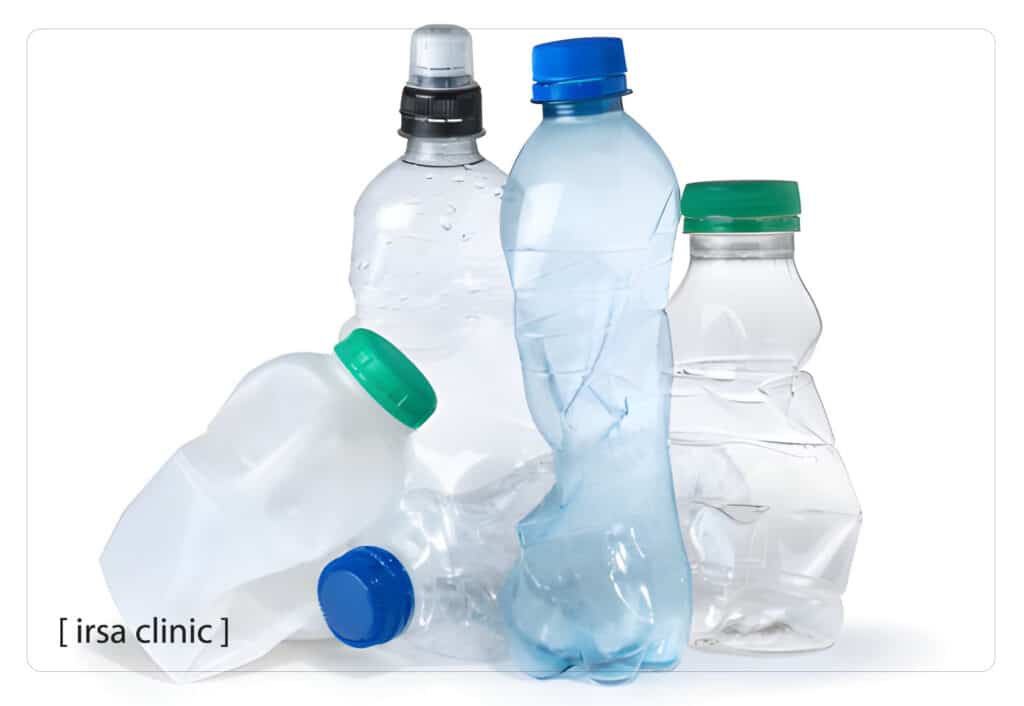
Intensification of the release of toxins and hormonal shock: Exposing plastic bottles (especially PET) to heat, such as inside a car under sunlight or near heat sources, greatly accelerates the process of releasing (leaching) toxic chemicals such as bisphenols (BPA/BPS) and phthalates. These compounds, known as endocrine disruptors, cause a hormonal shock by entering the liquid and then the body and intensify inflammatory responses on a wide scale. This sudden increase in the concentration of toxins absorbed by the body doubles the systemic damage.
Direct impact on skin and hair health: The skin, as the largest organ and hair as an indicator of internal health, are among the first victims of these disorders. Increased internal inflammation makes the skin more susceptible to allergic reactions, hormonal acne and sensitivity. The skin is more susceptible to oxidative damage than ever before, resulting in premature aging, collagen fiber breakdown, and a reduced ability for the skin to repair and regenerate itself naturally. Hormonal imbalances can also directly affect the hair growth cycle, shortening the growth phase (anagen), leading to abnormal hair loss and overall follicle weakness.
Threat to vital organs and the hormonal system: Plastic heating and increased concentrations of toxins not only affect the skin, but also endanger the health of vital organs. The endocrine system, including the thyroid and adrenal glands, which regulate the body’s metabolism and stress, are the main targets of these compounds, which can lead to metabolic and reproductive disorders. The liver and kidneys are also under severe stress due to exposure to a large volume of toxins to detoxify and excrete, and their function weakens over time, which we will explain in more detail below.
1. Endocrine system (hormone): These organs, including the thyroid, pituitary, and adrenal glands, are the main targets of BPA and phthalates. Disruption of this system can lead to problems such as metabolic disorders, diabetes, fertility problems, and even an increased risk of hormone-dependent cancers (breast and prostate).
2. Liver and Kidneys: These two organs are responsible for detoxifying and excreting chemicals from the body. With the entry of high volumes of plastic toxins, the workload of these organs increases, and over time, their function weakens.
3. Nervous system and brain: Some studies show that exposure to plastic compounds, especially during sensitive periods of development (children and fetuses), can negatively affect brain development and cognitive functions.
Completely stop using plastic, especially in hot environments, and replace them with glass or stainless steel containers. Additionally, it is essential to strengthen the body’s internal defenses through a diet rich in anthocyanins (such as dark berries and purple cabbage). These powerful antioxidants neutralize free radicals caused by plastic toxins, help reduce oxidative stress and chronic inflammation, and protect hair and skin health from within.
Conclusion: Making a conscious choice for health
The harm of plastic bottles and their chemical compounds to endocrine health is a proven scientific fact. The best solution is to reduce the use of single-use plastics and replace them with glass or stainless steel containers. However, in the modern world, where exposure to these toxins is unavoidable, increasing your intake of anthocyanins through colorful fruits and vegetables is the strongest and most natural armor we can provide to protect our cells and hormonal balance. This is a smart strategy to reduce the damaging effects of the environment on individual health.
Source:
Get your free consultation with Irsa team right here
WhatsApp: 00989170626693
Email: irsaarabic@gmail.com
www.youtube.com/@irsaclinic
www.facebook.com/irsaclinic
Also read:
Hair Transplant Surgery in Iran
Abdominoplasty or tummy tuck in Iran
Fotona laser: Treatment, advantage, and disadvantage


