

The effect of the menstrual cycle and hormonal changes in women on the durability of cosmetic injections
(Why is it recommended not to do cosmetic work during menstruation?)
Cosmetic injections such as fillers, Botox, mesotherapy, or even microneedling and PRP are among the most popular methods of rejuvenation and facial correction today. However, many doctors recommend that women avoid these injections during or close to menstruation. The reason for this recommendation is not just a traditional belief, but has a scientific and hormonal basis. Hormonal changes in women’s bodies can affect the amount of pain, bruising, inflammation, and even the durability of injectables.
Hormonal changes during menstruation
The women’s menstrual cycle includes extensive hormonal changes that affect all organs of the body, including the skin and the nervous and vascular systems:
- Increased prostaglandins: Increases sensitivity to pain and inflammation.
- Fluctuating estrogen and progesterone levels: Affect skin tissue, blood vessels, and the clotting system.
- Changes in the immune system: Can increase the likelihood of inflammatory or allergic reactions.
These changes will directly affect the results of cosmetic injections.
Why are cosmetic injections not recommended during menstruation?
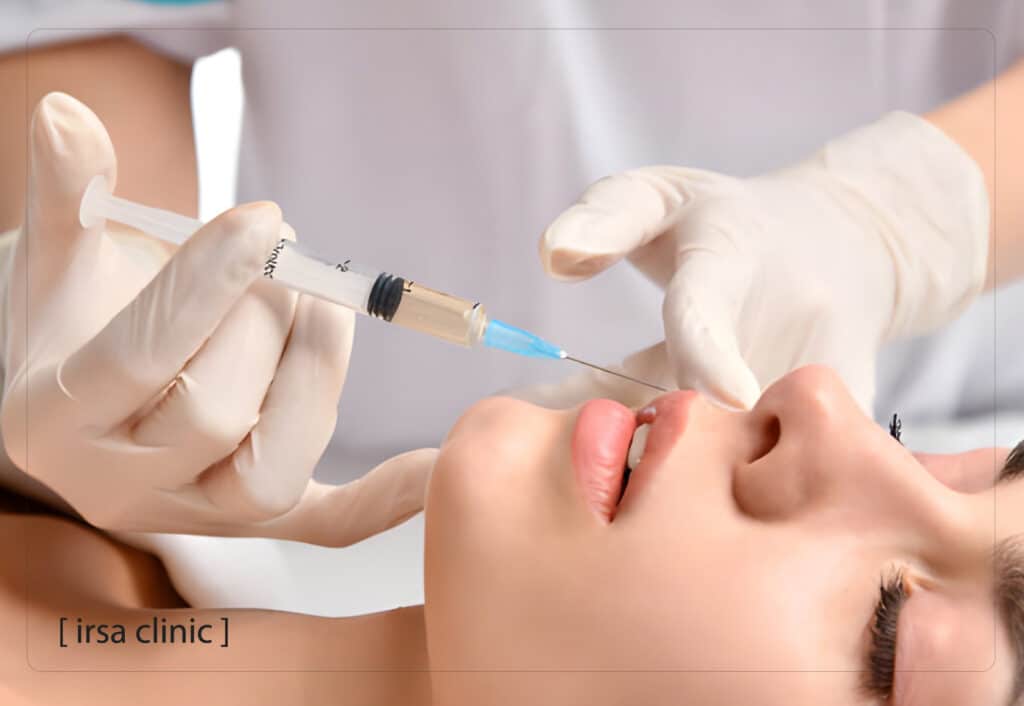
Cosmetic injections such as fillers and Botox are usually simple and have few complications, but the timing of their administration can affect the quality of the result and the comfort of the person. One of the common questions is whether it is appropriate to have injections during menstruation. Due to hormonal changes, skin sensitivity, and specific body conditions during this period, experts usually recommend postponing the injection to another time. Below, we will examine the most important reasons for this.
1. Increased sensitivity to pain
During menstruation, the pain threshold is lower. This means that filler or Botox injections will be more painful for the patient than usual, even if local anesthesia is used.
2. More bruising and swelling
Hormonal changes and fluctuations in the blood clotting system cause the blood vessels to become more fragile. As a result, the likelihood of bruising, swelling, and bleeding after the injection increases.
3. Risk of inflammation and skin reaction
The skin is more sensitive during menstruation, and the likelihood of reactions such as redness, inflammation, or itching will be higher.
4. Less effective and shorter lasting
Some studies show that due to the greater activity of degrading enzymes and metabolic changes, injectable materials such as hyaluronic acid fillers may break down in the body sooner. This means that they last less than when injected during a normal period.
5. More psychological states and stress
Many women experience mood swings, anxiety, or irritability during this period. Getting an injection in these conditions can create a more unpleasant experience, and the person may be less satisfied with the results.
Best Dermal Filler Injection Clinic in Iran Shiraz
Read more: Dermal Filler Injection
The best time for cosmetic injections in women
Doctors recommend that women choose times when their bodies are in a stable hormonal state to get cosmetic injections:
- One week after the end of menstruation is the best time to get injections. At this time, estrogen levels are higher, the skin looks fresher, and the body is less sensitive to pain and bruising.
- Avoiding the days before and during menstruation helps reduce unwanted side effects.
Of course, if the best filler injection doctor in Shiraz does this for you, unwanted reactions are usually fewer, and the injection will be safer and more accurate.
Practical tips for women during menstruation for cosmetic injections
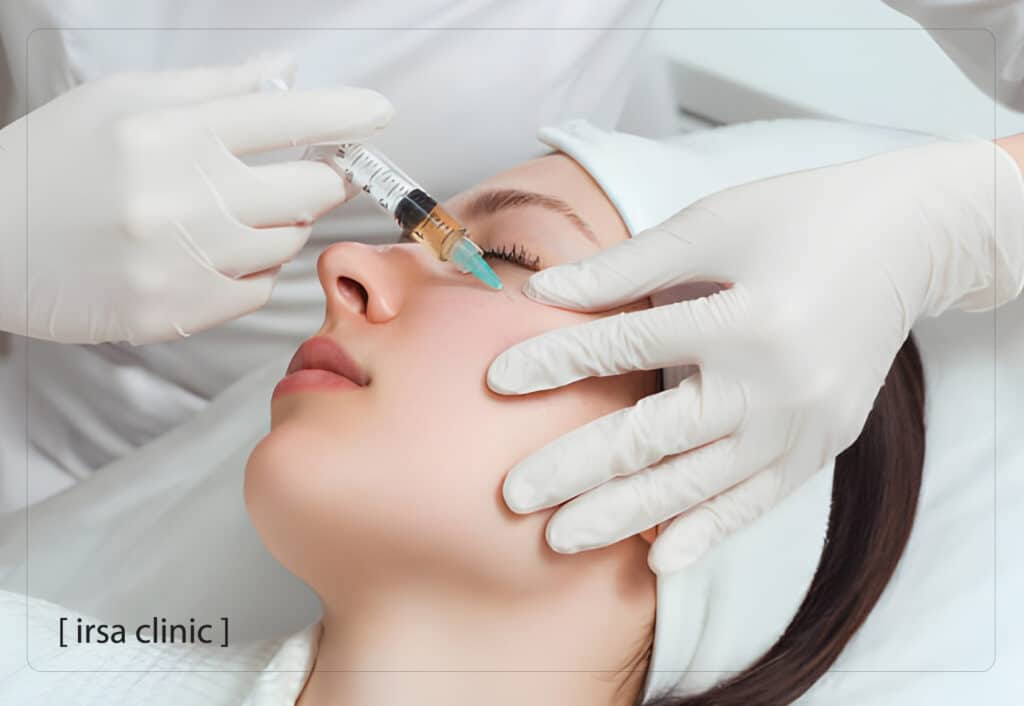
Following some simple and practical tips can help women have a more comfortable and safe experience with cosmetic injections related to their menstrual cycle. Below are some important recommendations in this regard.
- If your injection date is close to your period, it is better to postpone it for a few days.
- Before the injection, inform your doctor about your hormonal status and menstrual cycle.
- Regular use of sunscreen and care creams can reduce the effect of hormones on the skin.
- If, for some reason (such as travel or time constraints), you have to have injections during your period, be prepared that the possibility of bruising and pain will be greater.
- Reduce the consumption of alcohol, coffee, and blood thinners (such as aspirin) a few days before the injection to reduce the risk of bruising.
- Getting enough sleep and drinking plenty of water before your injection will increase your body’s resistance to pain and inflammation.
- If you have severe premenstrual syndrome (PMS) or hormonal migraines, schedule your injections on days when you are symptom-free.
- After your injection, use a gentle cold compress and avoid strenuous activity to help your recovery process go more quickly.
Summary
A woman’s menstrual cycle is a natural process, but it’s full of hormonal changes that affect her skin, blood vessels, immune system, and even pain tolerance. This makes getting fillers, Botox, or other cosmetic procedures during your period more risky: more bruising, pain, inflammation, and even shorter-lasting results.
For this reason, experts recommend that women avoid cosmetic injections during or close to their period and choose a more appropriate time to achieve the best and most lasting results.
Frequently Asked Questions About Filler and Botox Injections During Menstruation
1. Is it dangerous to inject fillers or Botox during menstruation?
There is no health risk in injecting fillers or Botox during menstruation, but due to hormonal changes during menstruation, there is a possibility of bruising, swelling, and more pain. Doctors usually recommend that injections not be performed during this period if possible.
2. Why do doctors say not to inject during menstruation?
During menstruation, estrogen and progesterone hormone levels fluctuate, the skin is more sensitive, there is more minor bleeding, and the pain tolerance threshold decreases. These things make the results of filler or Botox injections less predictable and the patient’s comfort experience decreases.
3. Do hormonal changes during menstruation affect the durability of fillers and Botox?
Yes, hormonal changes can speed up the body’s metabolism and accelerate the absorption of injectables such as fillers or Botox. For this reason, fillers and Botox may last less than normal during menstruation.
4. When is the best time for filler and Botox injections in women?
The best time is about a week after the end of the menstrual period. At this time, the skin and body are in a more stable and relaxed state, there is less bruising and pain, and the injection results will be more natural.
5. What should I consider if I have to have injections during my period?
- Inform your doctor about your menstrual period and skin sensitivities.
- Avoid taking blood-thinning medications and supplements (aspirin, ibuprofen, vitamin E).
- After the injection, use ice packs, rest, and post-injection care as recommended by your doctor to reduce bruising and swelling.
Source:
- “Exploring the Role of Hyaluronic Acid in Reproductive Biology” — This article explores the role of hyaluronic acid in female reproductive function, which may be related to hormonal changes during the menstrual cycle. Wiley Online Library
- “Review of long-term adverse effects associated with the use of purified hyaluronic acid” — This review examines the long-term effects of HA fillers, including their stability and degradation. PMC
- “Biofilm formation is a risk factor for late and delayed complications of filler injection” — This article focuses on late complications of filler injection, including the role of biofilm, which may be related to the stability and potential problems associated with physical conditions such as hormonal changes. Frontiers
Get your free consultation with Irsa team right here
WhatsApp: 00989170626693
Email: irsaarabic@gmail.com
www.youtube.com/@irsaclinic
www.facebook.com/irsaclinic
Also read:
Abdominoplasty or tummy tuck in Iran