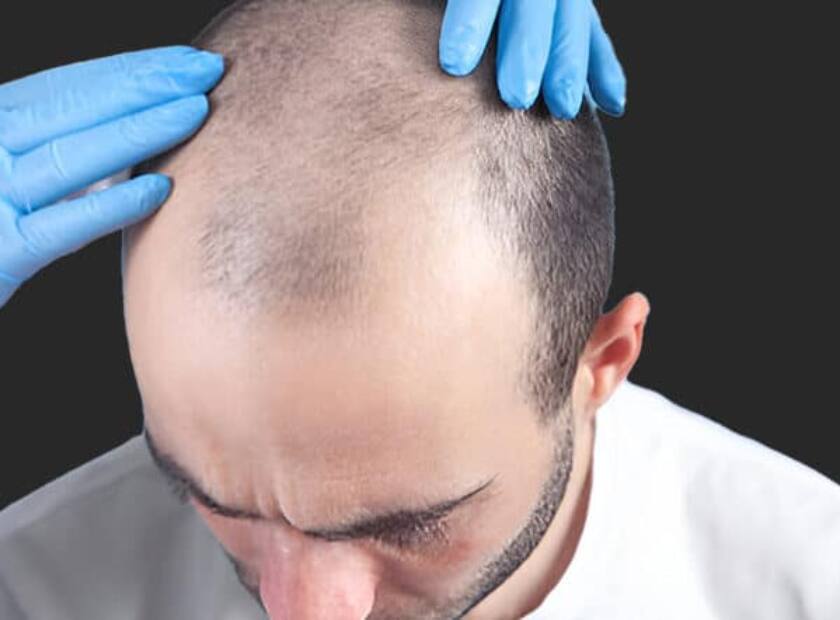

The Vital Role of Vitamin D in Preventing Hair Loss and Hair Transplant Success
In recent years, hair loss has become one of the main concerns of people, especially young people. Many people think that only genetic factors or daily stresses are the cause of this problem, while research shows that the deficiency of some micronutrients, especially vitamin D, plays a decisive role in the health of hair follicles. This article comprehensively and scientifically examines the importance of vitamin D in controlling hair loss and its vital role for hair transplant candidates, and also answers the question of why, despite abundant sunlight, people in the Middle East still face a deficiency of this vitamin.
What is vitamin D and why is it vital for the body?
To understand the relationship between vitamin D and hair health, we must first become familiar with the nature of this vitamin and its extensive functions in the body. Vitamin D is not just a simple vitamin but an active hormone that plays a role in many vital processes in the body.
Vitamin D is a fat-soluble vitamin that is produced mainly by sunlight on the skin and is supplied in smaller amounts through the diet. This vitamin plays an essential role in regulating calcium and phosphorus levels, strengthening the immune system, bone health, and in the proper functioning of cells, including hair follicle cells.
Vitamin D’s connection with the hair growth cycle
Hair has a natural cycle of growth, rest, and shedding. Any disruption in this cycle can lead to abnormal hair loss. Among them, vitamin D is considered one of the important regulators of this cycle.
Vitamin D directly affects the receptors in the hair follicles. Its deficiency can reduce the hair growth phase (anagen) and increase the entry of hair into the resting phase (telogen). This condition will lead to thinning of hair strands, reduced density, and ultimately severe hair loss. Studies have shown that people with alopecia areata and chronic hair loss often have lower levels of vitamin D.
The Best Hair Transplant Clinic in Iran
Hair Transplant Surgery
Vitamin D Deficiency; The Hidden Factor in Hair Loss
Many people continue to struggle with hair loss despite using expensive shampoos and various treatments. The reason for this may lie in a silent but powerful factor: vitamin D deficiency.
When vitamin D levels are low, hair follicles weaken and lose their ability to produce healthy hair. This deficiency can cause scalp inflammation, dryness, dandruff, and reduced local blood flow, all of which create the conditions for hair loss.
The Importance of Vitamin D in Hair Transplant Candidates
Hair transplantation is a delicate and specialized process whose success depends not only on the skill of the surgeon, but also on the general condition of the body and the balance of micronutrients.
People who are vitamin D deficient usually face problems after hair transplantation such as poor graft growth, delayed wound healing, increased shock loss, and even a decrease in the success rate of the transplant. Adequate vitamin D levels improve blood circulation, strengthen transplanted follicles, and accelerate scalp healing, resulting in more natural and long-lasting hair transplant results.
Why are people in the Middle East deficient in vitamin D despite abundant sunshine?

At first glance, this seems paradoxical: how could people living in one of the sunniest regions in the world be deficient in vitamin D? The answer lies in modern lifestyle and cultural factors.
The most important causes of vitamin D deficiency in the Middle East include:
- Excessive and restrictive clothing that prevents direct sunlight from reaching the skin
- Spending long hours in closed and dimly lit environments
- Excessive use of sunscreen
- Air pollution that blocks UVB rays
- Darker skin color that reduces the absorption and production of vitamin D
- Inappropriate hours of exposure to sunlight
These factors prevent the body from producing enough vitamin D, even in warm and sunny areas.
Symptoms of vitamin D deficiency that should not be ignored
Vitamin D deficiency is not always accompanied by obvious symptoms, but paying attention to its symptoms can prevent more serious problems.
Some common symptoms include:
- Severe and abnormal hair loss
- Chronic fatigue
- Bone and muscle pain
- Depression and loss of energy
- Weak immune system
- Slow healing of wounds
Prevention and treatment strategies for vitamin D deficiency
Fortunately, vitamin D deficiency is preventable and treatable, provided it is diagnosed in time and the right measures are taken.
Effective strategies include:
- Daily exposure to direct sunlight for 15 to 30 minutes
- Taking vitamin D supplements as prescribed by a doctor
- Consuming vitamin D-rich foods such as fatty fish, egg yolks, and fortified dairy products
- Getting regular blood tests
Conclusion
After examining the various aspects of the role of vitamin D in hair health, we can now reach a scientific and practical conclusion.
Vitamin D is one of the key factors in maintaining hair health and the success of the hair transplant process. Its deficiency can lead to hair loss, weak follicles, and reduced quality of treatment results. Paying attention to the level of this vitamin, especially in people living in the Middle East, is not only a recommendation but a medical necessity. Prevention, awareness and lifestyle modification can be an effective way to have healthy, thick and beautiful hair.
Source:
pubmed.ncbi.nlm.nih.gov
Get your free consultation with Irsa team right here
WhatsApp: 00989170626693
Email: irsaarabic@gmail.com
www.youtube.com/@irsaclinic
www.facebook.com/irsaclinic
Also read:
Abdominoplasty or tummy tuck in Iran